

What Types of Fitness Programs Are Available for Seniors in Assisted Living?
Assisted living communities in Stroudsburg, PA typically offer a variety of fitness programs designed to support physical health, balance, and overall mobility for older adults. These activities range from gentle group exercises to more specialized movement classes. Most programs focus on helping residents maintain independence while considering common physical limitations.
Common offerings include:
- Chair yoga and seated stretching for flexibility
- Low-impact aerobics for cardiovascular health
- Group walking sessions in indoor and outdoor spaces
- Light strength training using resistance bands or small hand weights
- Balance and fall prevention classes led by experienced staff or local instructors
Even when outdoor activities are limited by winter conditions or rainy weather common in the area, most facilities maintain indoor spaces for safe movement, such as activity rooms or small gyms.
Why Is Regular Fitness Important for Older Adults in Assisted Living?
Maintaining an active lifestyle can help residents manage chronic conditions, keep energy levels up, and support emotional well-being. Physical activity also plays a big role in fall prevention—a key concern for many households in Stroudsburg.
Even modest amounts of regular movement may help:
- Improve joint mobility and reduce stiffness
- Maintain muscle mass and bone strength
- Support better balance and reduce fall risks
- Enhance mood and reduce feelings of isolation
- Promote healthy sleep patterns
Many residents are surprised at how much gentle, regular activity can affect day-to-day comfort and independence.
How Are Fitness Programs Adapted for Residents’ Abilities?
Fitness classes and programs in assisted living are typically designed with a wide range of abilities in mind. Instructors and staff are trained to offer modifications that make exercises accessible to people with limited mobility, those who use walkers or wheelchairs, or residents recovering from illness or surgery.
Examples of adaptations may include:
- Seated options for almost every class, allowing participation without standing
- Slower-paced sessions with plenty of breaks
- Use of support bars, stable chairs, or rails for added safety
- Smaller group sizes for more individualized guidance
- Simple movements to accommodate arthritis or joint pain
Residents are encouraged to move at their own pace, and participation is voluntary.
Are Outdoor Fitness Options Available Year-Round?
Stroudsburg’s four-season climate means outdoor programs are popular in mild weather but shift indoors when winter arrives. Walking groups and simple gardening activities often take advantage of landscaped grounds or safe walking paths in spring, summer, and fall. Winter brings a focus to indoor alternatives such as walking circuits in hallways, chair-based programs, and gentle stretching in heated, well-lit rooms.
Community members often help choose which activities to offer based on seasonal preferences, so the mix of programs changes with the time of year.
How Can Residents Stay Motivated to Be Active?
Motivation to participate in fitness programs sometimes wanes, especially during periods of adjustment to assisted living or after a health setback. Local residents can boost their engagement with a few simple strategies:
- Set realistic, achievable goals—like attending two group classes each week
- Find a fitness buddy to provide encouragement and accountability
- Celebrate milestones, even small ones, such as improved flexibility or easier walking
- Try a variety of activities to discover what’s most enjoyable
- Seek gentle encouragement from staff or peers rather than pressure
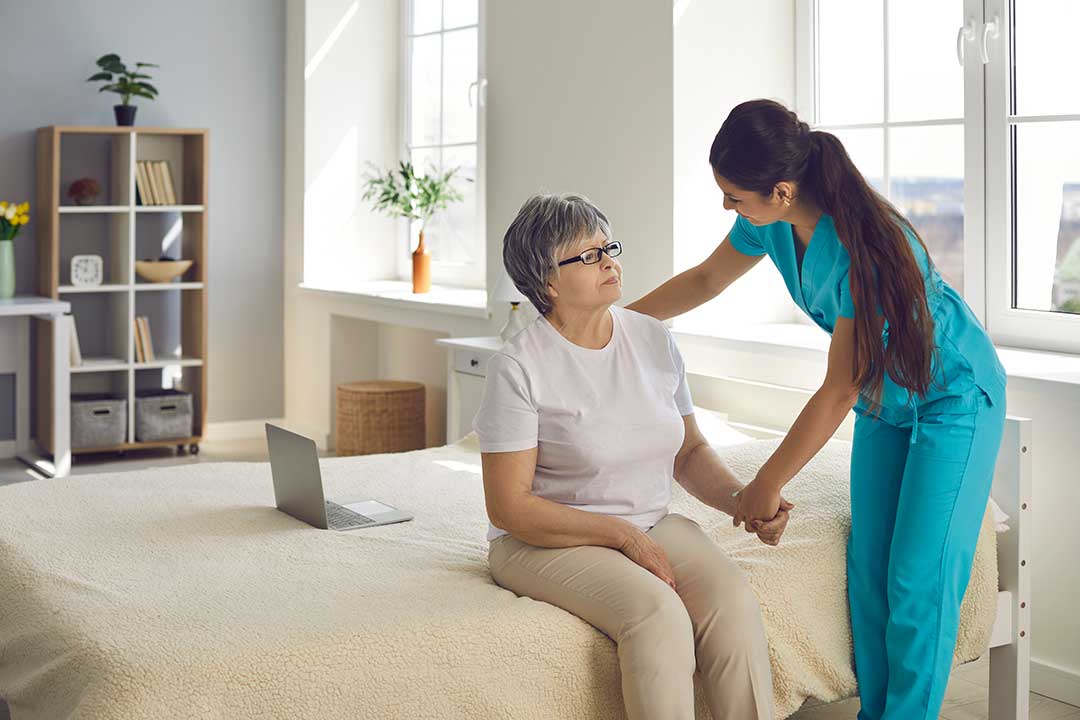
Providers keep atmosphere supportive rather than competitive, helping participants feel welcome regardless of fitness level.
What Should Residents Consider Before Joining a Fitness Program?
Before starting a new activity, residents are typically encouraged to discuss plans with their healthcare provider—especially if managing existing health concerns such as heart conditions or joint replacements. Community staff can guide residents toward low-risk options, and programs are typically set up with safety as the highest priority.
Practical tips for area households:
- Wear comfortable shoes with good grip to reduce slipping
- Dress in layers for changing temperatures, especially during seasonal transitions
- Drink water before and after activity to prevent dehydration
- Let staff know of any dizziness, pain, or discomfort promptly
Programs in city assisted living communities are built to accommodate a range of health needs, allowing most people to take part safely.
Are Fitness Programs Social as Well as Physical?
Many residents find that fitness classes and group walks are a highlight for social connection, not just physical health. Regular sessions help newcomers meet neighbors, catch up with friends, and foster a sense of camaraderie. These interactions are especially valuable in the colder months when outdoor socializing is less practical.
Participating in group activities has been shown to:
- Reduce feelings of loneliness and isolation
- Build supportive relationships
- Add moments of fun and laughter to the weekly routine
Even for individuals who aren’t naturally drawn to exercise, the social aspect can make fitness programs a more appealing and sustainable habit.
What Misconceptions Exist About Fitness in Assisted Living?
A common misconception is that fitness routines in assisted living are too basic to be beneficial or are only suitable for highly mobile residents. In reality, even gentle movement, if done consistently, can generate meaningful benefits—especially when adjusted for individual needs.
- Activities are not limited to standing or high-intensity workouts; many are designed for seated participation.
- Programs are regularly adapted to reflect feedback from residents and changing health concerns.
- Participation is always optional and can be modified at any time.
Local staff work with residents to break down barriers and make fitness accessible, regardless of previous experience or current ability.
